Blog
-

Documentary Jury of the 12th Algiers Int. Film Festival
I was invited to the 12th Algiers International film festival to serve on the Jury of the Documentary competition.
-

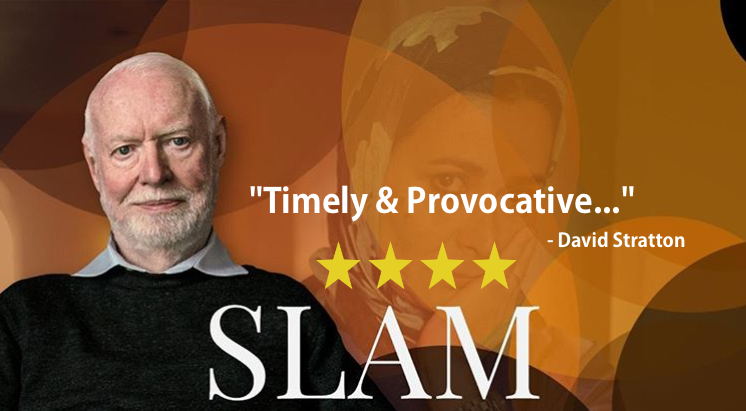
David Stratton says he now regrets stopping ‘At The Movies’ on the ABC
Stratton says he now regrets stopping At The Movies, his ABC show, because “it could have championed a film like Slam to help…
-

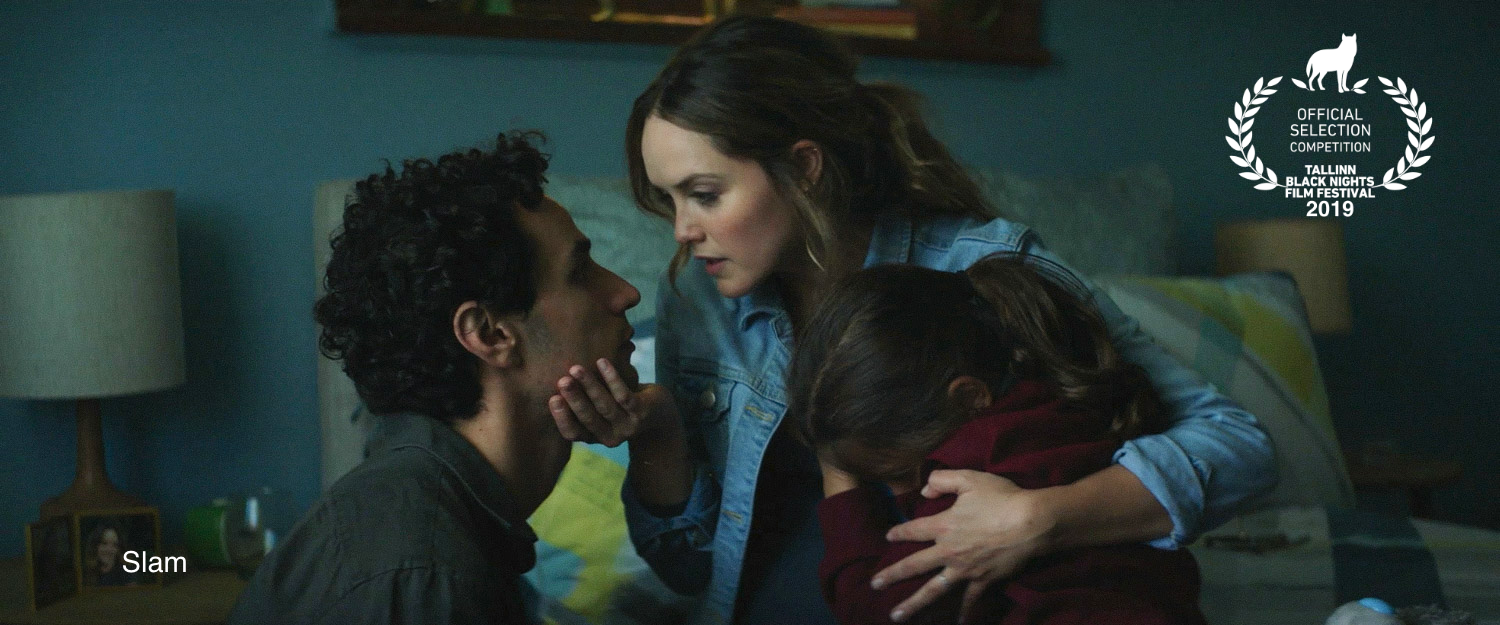
Slam Film Review: Variety
The disappearance of a fearless female Palestinian-Australian slam poet triggers suspense and powerful social and political commentary in “Slam,” an…
-

Slam – Opening Film at the Darwin Int. FF 2019
Slam was the opening film of the Darwin Int. Film Festival with Festival Guests – actor Rachel Blake and Writer-Director…
-

Love in the Time of Terror: Slam at Sydney Film Festival
Review by Ingrid Matthews was first published at ACRAWSA blog on 7 June 2019 and reposted on https://imatthewsblog.com/2019/06/30/love-in-the-time-of-terror-slam-at-sydney-film-festival/ [Alert: Spoilers] Slam is…
-

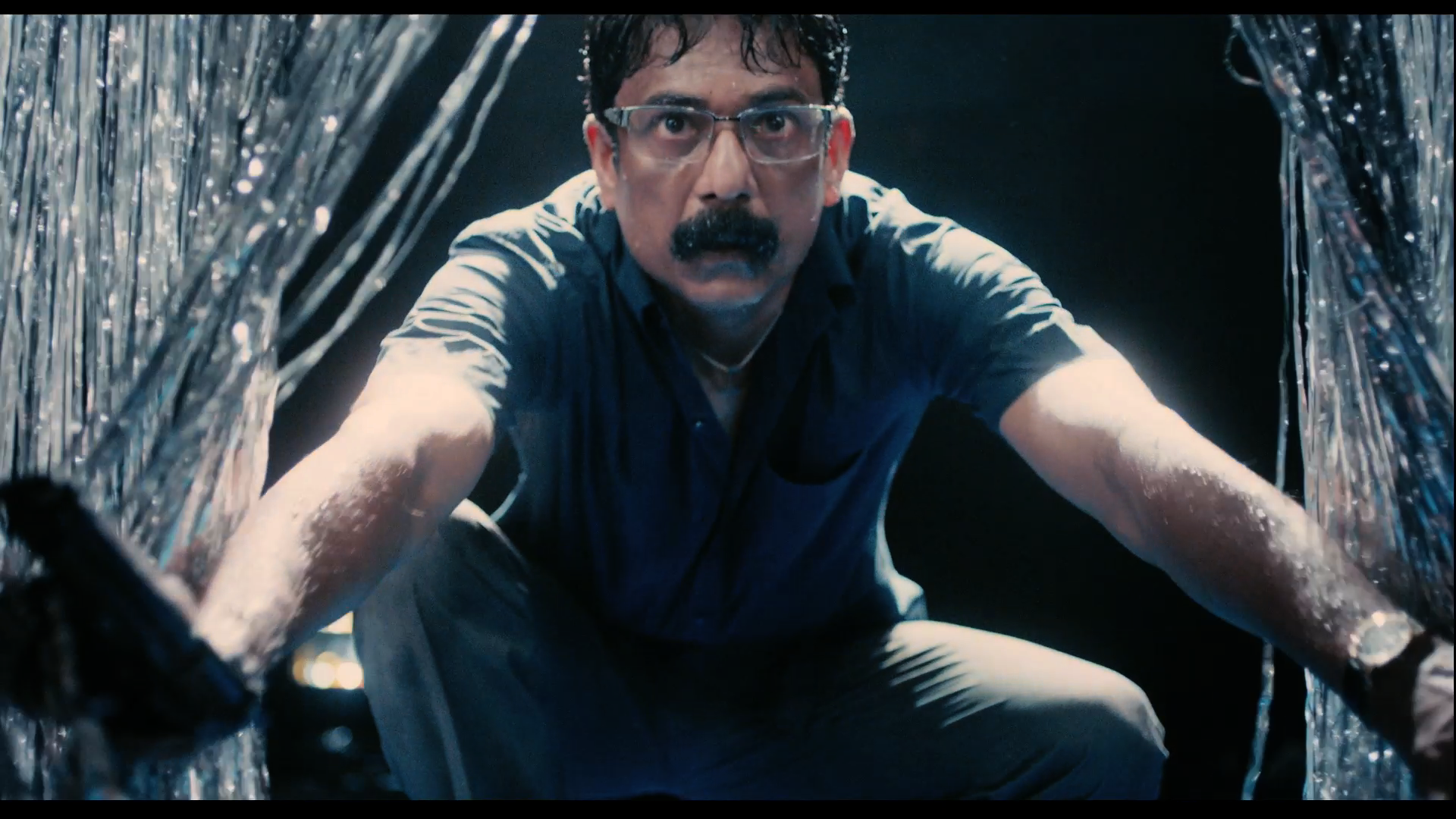
Busan Film Review in Variety: ‘Sunrise’
The anguish and guilt of a policeman whose young daughter has gone missing are powerfully conveyed in “Sunrise,” the first…
-

‘Let the wind Blow’ screening at the Walker Art centre, Minneapolis
The Walker Art Centre, ‘Let the wind Blow’ screening at the Walker Art centre, Minneapolis, been hosting the Global Film Initiative‘s…
-

‘Let the Wind Blow’ to screen at IFFR 2008
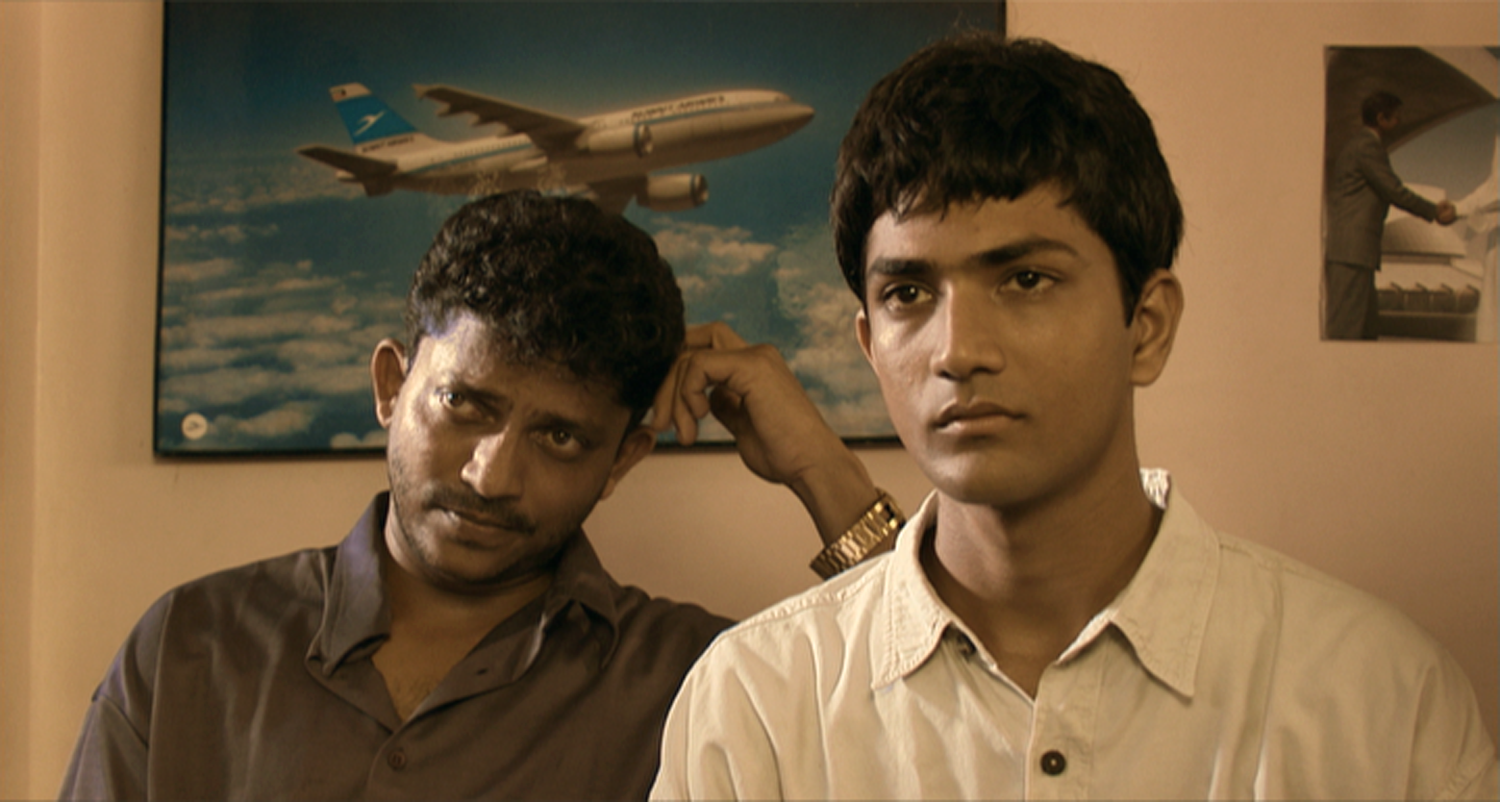
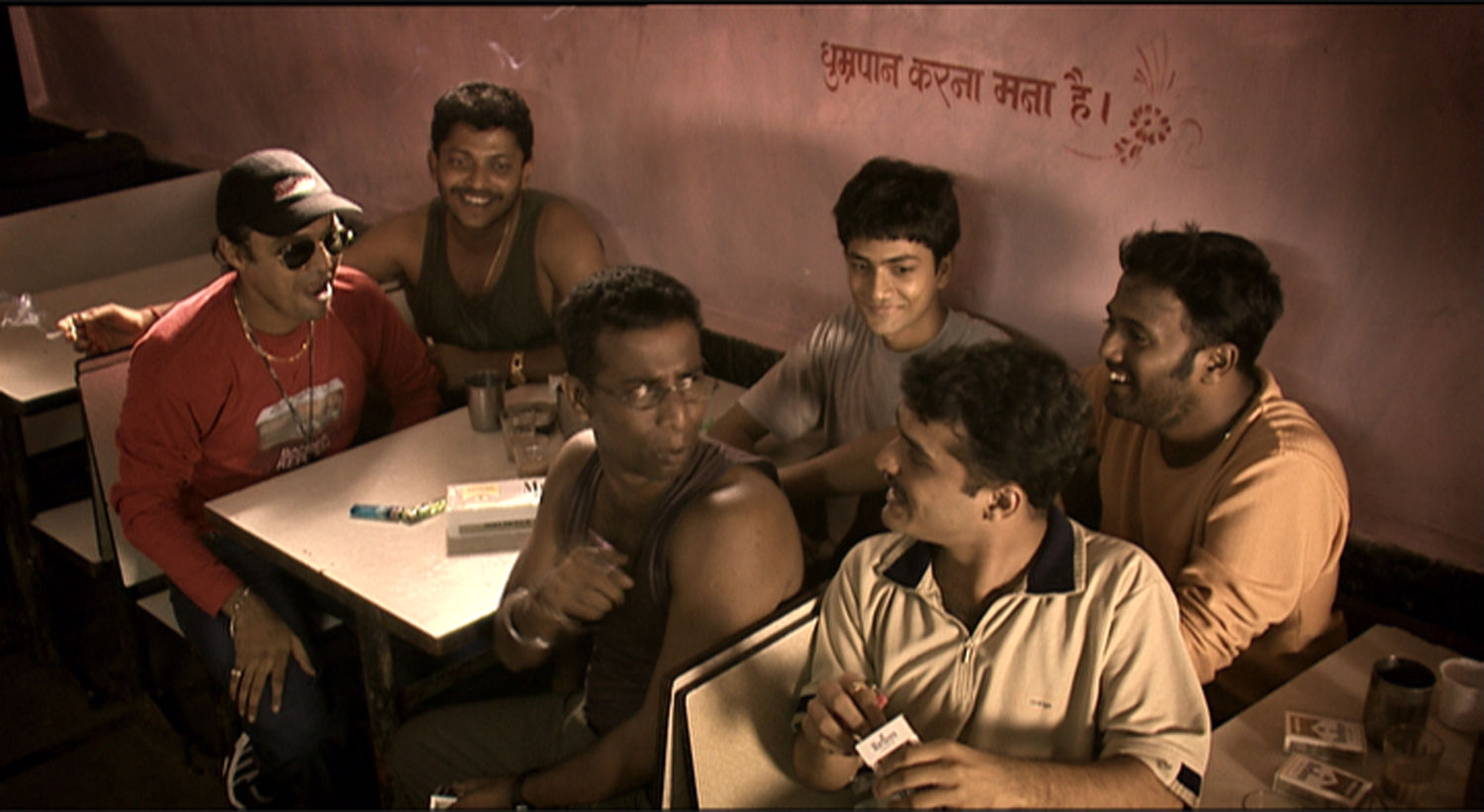
Exploring the life within several social strata of Mumbai, this film stands as one of the strongest cinematic stories within…
-

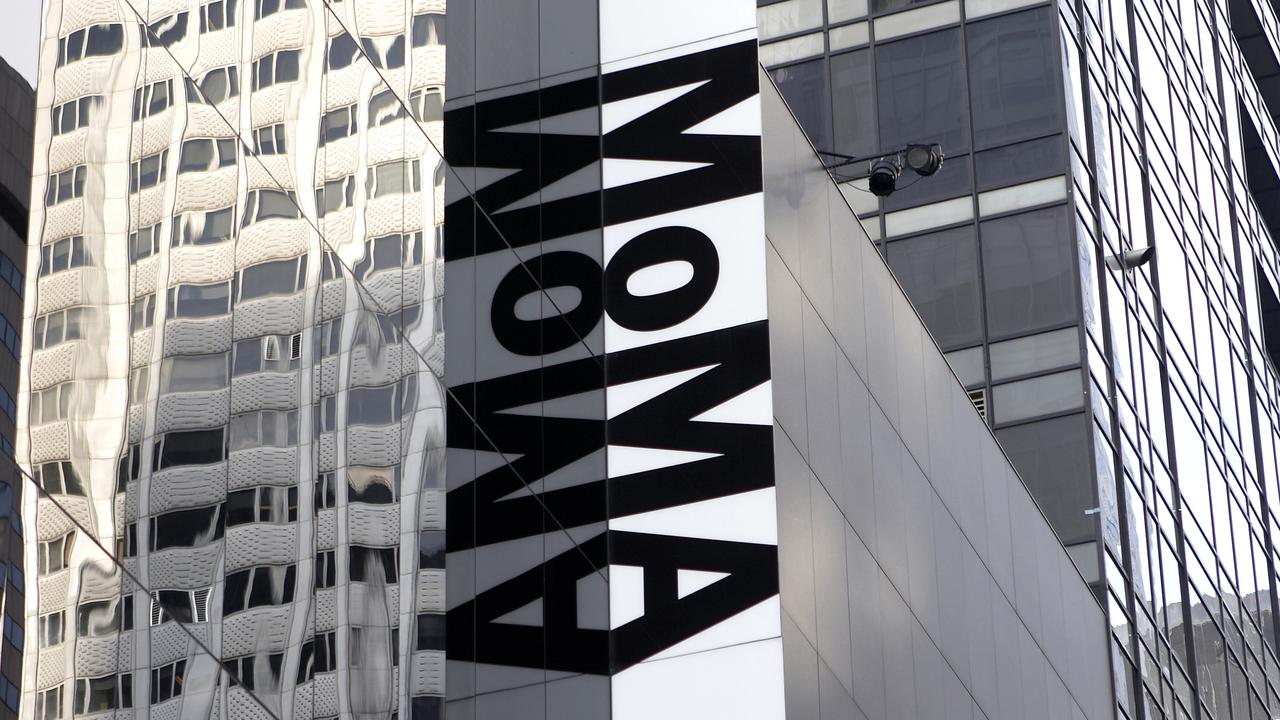
‘Let the Wind Blow’ screening at the MoMA
MoMA presents GLOBAL LENS, 2008, The fifth annual exhibitionof cinema from the developing countries. Lineup Highlights Emerging Filmmakers from Croatia,…
-

‘Let the Wind Blow’ in Global Film Initiative 2008 lineup – Indiewire
Ten narrative films from around the world will screen in the 2008 Global Film Initiative line up, which will premiere at the Museum…
-

‘Let the Wind Blow’ in Official Competition in Festival des 3 Continents – 2004
‘Hava Aney Dey’ (ENG: Let the Wind Blow, FR: Le Vent peut bien souffler) selected at the Festival des 3…
-

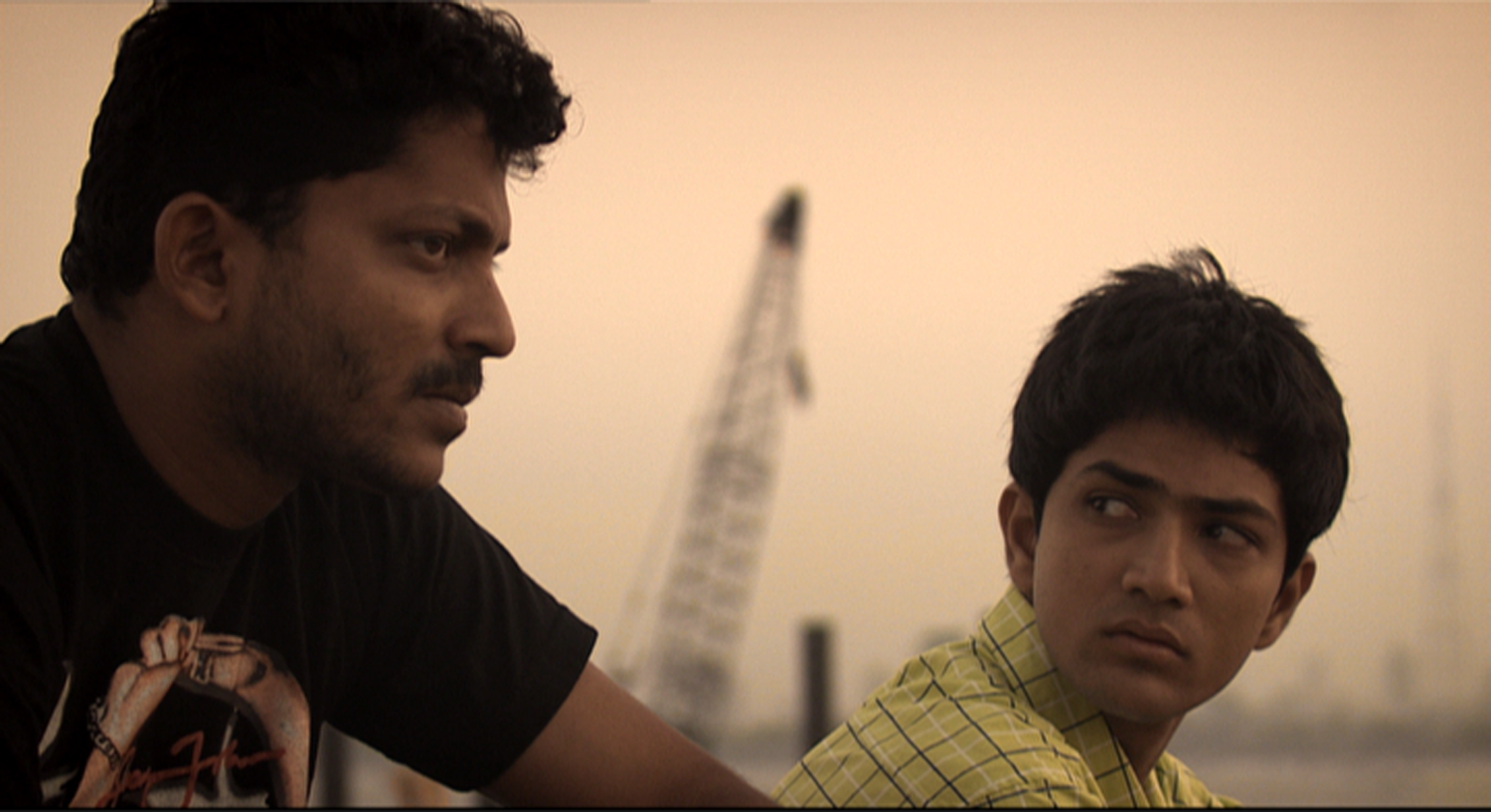
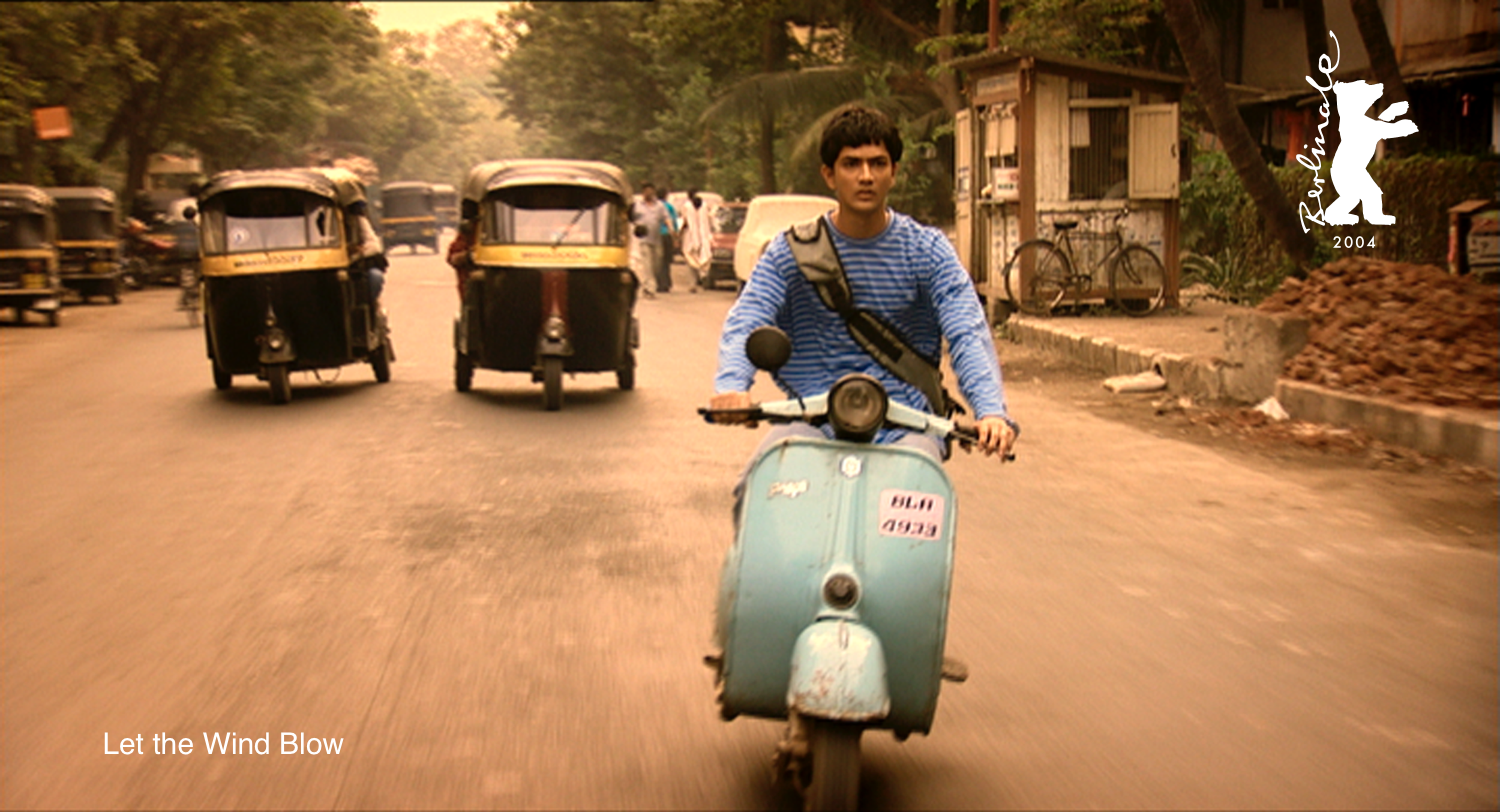
‘Let the Wind Blow’ premieres at the Berlinale 2004
International Forum of New Cinema 2004: Looking ahead “Of particular interest is Partho Sen Gupta’s debut Hava Aney Dey (Let…